Eating Disorder Therapy for Lasting Recovery
What Does Disordered Eating Look Like?
Are you anxious about food or exercise? Does your entire day depend on whether or not you feel good when you look in the mirror in the morning? Have you ever gotten into an argument with someone or over food, or felt internally frustrated by what they were asking you to eat? Does your family recognize that you have strict rules around food? Does food help you feel more in control? Or does it feel like the only way you know how to cope?
If this resonates with you, it may be worth taking a closer look at your relationship with food and exercise. Eating disorders aren't always obvious, and you don't have to "look sick" or have a formal diagnosis to recognize that food, exercise, or body image may be taking up more space in your life than you'd like. Eating disorders and disordered eating can look like:
Binge eating
Restricting
Purging
Compulsive or rigid exercise
Food rules
Avoidance of certain foods
Constant thoughts about food/body/weight
Body checking
Fear of weight gain
Using food or exercise to cope with emotions
Feeling out of control around food


Eating Disorders I Treat
Anorexia nervosa
Bulimia nervosa
Binge-eating disorder
OSFED/atypical anorexia
Disordered eating that may not meet criteria for a formal diagnosis
Chronic dieting and compulsive exercise
What to Expect from Eating Disorder Therapy
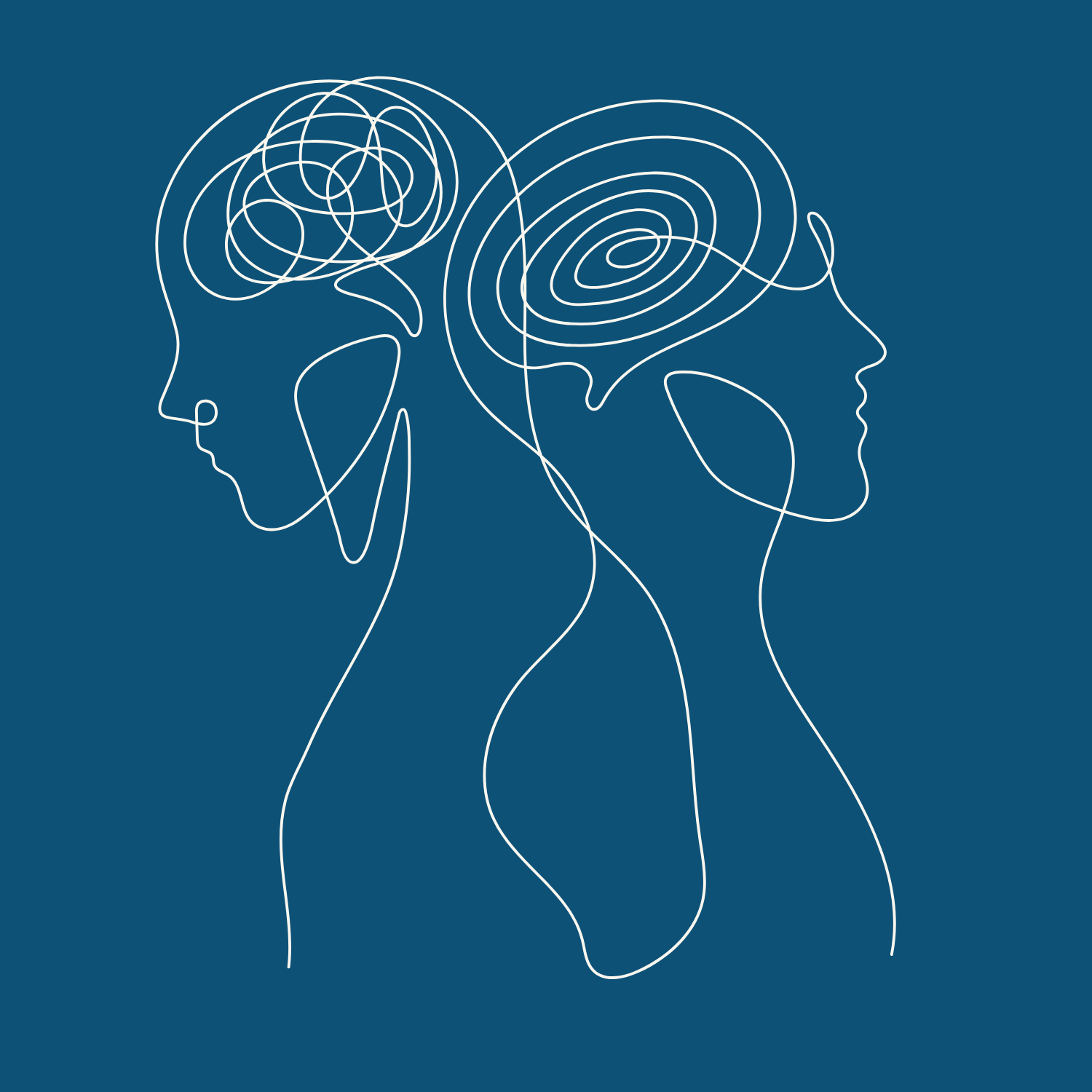
Eating disorder therapy takes a holistic approach to developing a healthier relationship with food, exercise, and your body. Using a Health At Every Size (HAES) framework and principles of intuitive eating, clients start to unpack the emotions connected to their eating and exercise patterns. Together, we explore the deeper experiences that reinforce these behaviors, such as trauma, perfectionism, anxiety, a need for control, or a belief that their worth is connected to their body or appearance.
In eating disorder therapy, we are not just focused on changing what you eat or how much you exercise. We are also looking at what your eating disorder is doing for you and what needs it may be meeting. For some people, eating disorder behaviors provide a sense of control when other parts of life feel unpredictable. For others, they may help manage anxiety, avoid difficult emotions, feel worthy or accepted, or create a sense of safety. Understanding these patterns can help us identify healthier ways to meet those needs without relying on eating disorder behaviors.
Treatment will look different for everyone depending on your history, symptoms, and goals. We may work on body image, food anxiety, rigid food rules, compulsive exercise, emotional regulation, relationships, or the past experiences that continue to influence how you feel and behave around food and your body. When appropriate, I also incorporate EMDR therapy to help clients process experiences and negative beliefs that may be maintaining their eating disorder. The goal is not simply to stop eating disorder behaviors, but to help you understand where they came from, why they have been difficult to change, and how to build a life where you no longer need them to cope.
How I Can Help
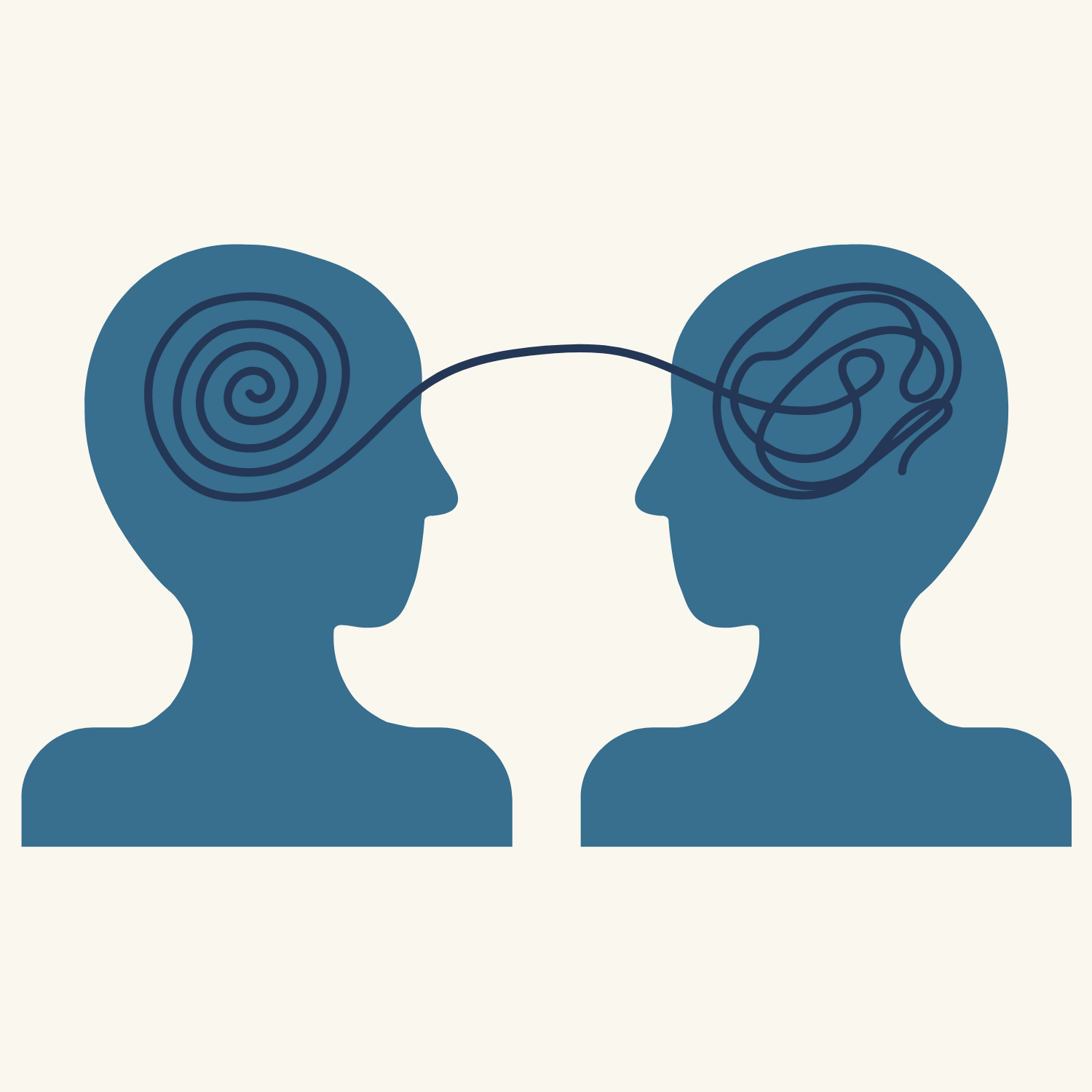
My approach to eating disorder therapy is compassionate, direct, and collaborative. I often work alongside your dietitian to understand what your eating disorder may be trying to help you with and to find more sustainable ways to meet those needs. I believe it is important to understand the function of an eating disorder rather than simply trying to take away the behaviors without addressing what is underneath them.
I frequently integrate Eye Movement Desensitization and Reprocessing (EMDR) therapy to help clients understand the connection between past experiences and present patterns that may be keeping them stuck. This may include working through trauma, difficult relationships, experiences with bullying or body criticism, perfectionism, or other experiences that have shaped the way you see yourself and your relationship with food, exercise, and your body. By addressing the underlying experiences and beliefs that contribute to disordered eating, rather than focusing solely on symptoms, we’re able to create lasting, meaningful change.
I also recognize that eating disorder recovery is not just about food. We may work together on body image, anxiety, perfectionism, self-worth, emotional regulation, relationships, boundaries, and learning how to cope with difficult emotions without relying on eating disorder behaviors. My goal is to help you develop a healthier relationship with food and your body while also building a life where you feel more connected, confident, and able to meet your needs without your eating disorder running the show.
Is Eating Disorder Therapy Right for Me?
You don't have to have a formal eating disorder diagnosis or feel like your relationship with food is “bad enough” to benefit from eating disorder therapy. If food, exercise, or your body image are taking up a significant amount of your mental energy, creating anxiety or distress, or interfering with your relationships and quality of life, it may be worth exploring what is happening more deeply.
You may benefit from eating disorder therapy if you find yourself constantly thinking about food, calories, weight, or exercise; following rigid food or exercise rules; feeling guilty or anxious after eating; struggling with binge eating or restricting; using exercise or other behaviors to compensate for what you eat; or feeling like your eating disorder is one of the only ways you know how to cope with difficult emotions. You may also recognize that you understand logically that your behaviors aren't serving you, but still feel like you can't stop. You don't have to wait until your eating disorder has taken over your life to ask for help.
Eating disorder recovery looks different for everyone, and treatment should be tailored to your individual experiences, needs, and goals. If you're not sure whether eating disorder therapy is the right fit for you, that's something we can explore together during a consultation.

Frequently Asked Questions
Do I need an eating disorder diagnosis to start therapy?
No. You do not need to have a formal eating disorder diagnosis to seek help. Many people experience disordered eating, body image concerns, or difficult relationships with food and exercise without meeting the full criteria for a specific eating disorder. If these concerns are affecting your emotional well-being or quality of life, therapy can be a helpful place to explore them.
What eating disorders do you treat?
I work with clients experiencing a range of eating disorders and disordered eating concerns, including anorexia, bulimia, binge eating, OSFED, and other forms of restrictive or compulsive eating and exercise. I also work with clients who may not have a formal diagnosis but recognize that their relationship with food, exercise, or their body has become difficult or distressing.
Can EMDR help with eating disorders?
Yes. EMDR can be incorporated into eating disorder treatment when past experiences, negative beliefs, or emotional patterns are contributing to eating disorder thoughts and behaviors. I often use EMDR to help clients understand and reprocess experiences that may have contributed to their eating disorder or reinforced it over time. You can learn more about how I use EMDR in eating disorder treatment in my blog.
What does eating disorder therapy involve?
Eating disorder therapy looks different for everyone, but we will typically explore your relationship with food, exercise, and your body while also looking at the emotions, beliefs, relationships, and past experiences that may be contributing to your symptoms. Depending on your needs, treatment may include work around body image, perfectionism, anxiety, trauma, emotional regulation, self-worth, or relationships. I may also incorporate EMDR when it is an appropriate part of your treatment.
Do you work with a dietitian?
Yes. I often collaborate with dietitians when clients are working with one. I believe eating disorder recovery is most effective when we can address both the nutritional and emotional aspects of recovery, and collaboration allows us to better understand what is happening from different perspectives.
Can eating disorder therapy be done virtually?
Yes. I provide eating disorder therapy virtually, which allows us to work together from the comfort and privacy of your own home. Virtual therapy can be a convenient option for clients who may not have access to a specialized eating disorder therapist in their area.
How do I know if I'm “sick enough” for eating disorder treatment?
If you're asking yourself this question, it may be worth talking to someone. Eating disorders do not always look the way people expect them to, and you cannot determine the seriousness of an eating disorder based solely on someone's weight, appearance, or how often they engage in a particular behavior. You don't have to wait until things get worse before seeking support.
How long does eating disorder therapy take?
There isn't one timeline for eating disorder recovery. The length of treatment depends on your symptoms, history, goals, and how much support you need. Some clients may benefit from shorter-term therapy, while others need longer-term support. We can talk more about what treatment might look like for you during an initial consultation.
What if I know my eating disorder behaviors aren't helping, but I don't want to give them up?
This is actually something we can talk about in therapy. Eating disorder behaviors often serve a purpose, even when they are causing harm, and it can be difficult to let go of something that has helped you cope. Rather than judging you for that ambivalence, we can explore what the eating disorder is providing for you and work together to find healthier ways to meet those same needs.

Eating Disorder Therapy in Frederick, MD
I provide eating disorder therapy virtually in Frederick, MD and across Maryland, DC, Delaware, South Carolina and Florida. Whether you are just beginning to question your relationship with food or have been struggling for years, support is available. Reach out today for a free 15-minute consultation!