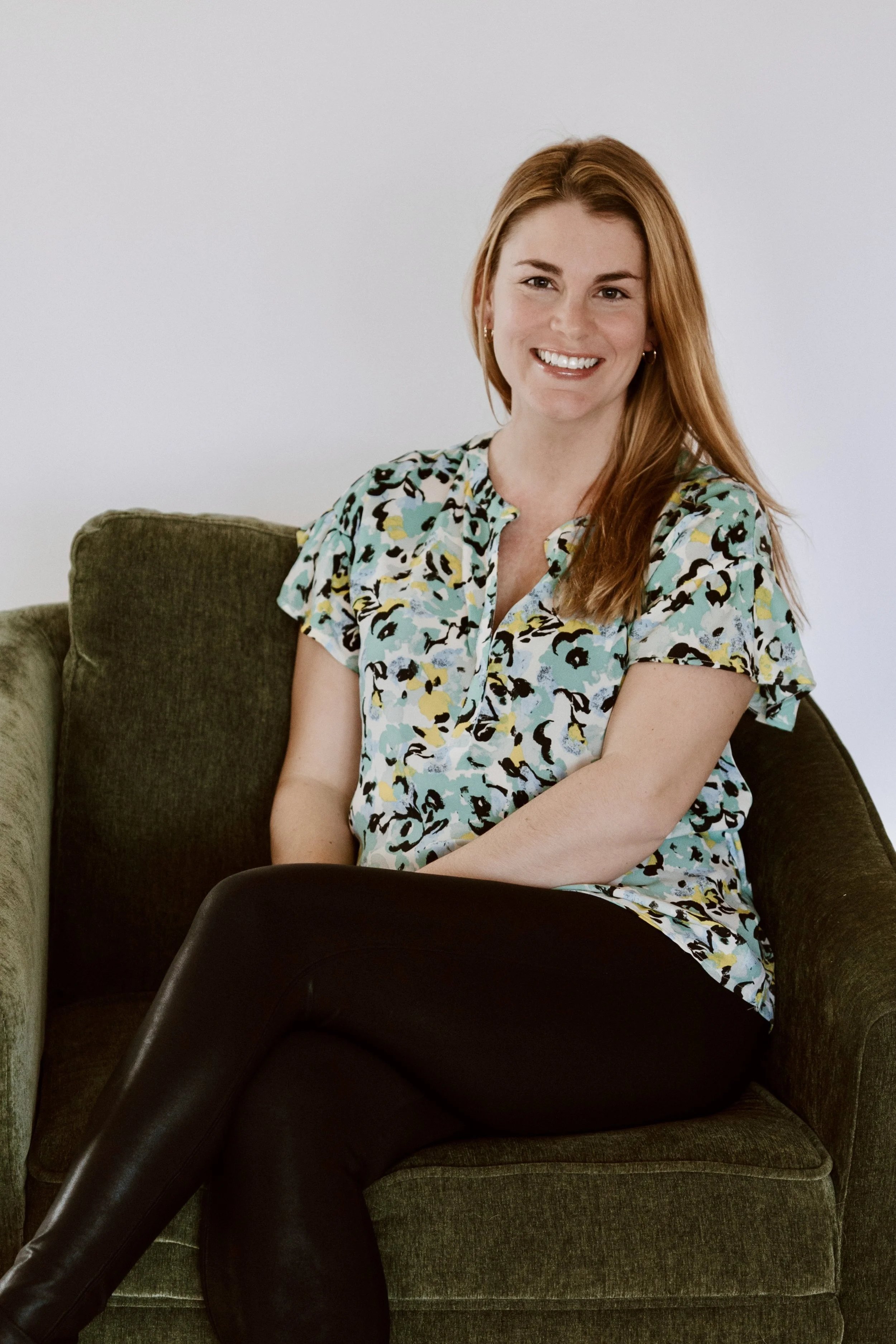
Kate Stephens, LCPC, LPC
Eating Disorder and Trauma Therapist in Frederick, MD
Hi there, I’m Kate! I’m a therapist in Frederick, MD, specializing in eating disorders, disordered eating and trauma. I provide virtual therapy to clients in the states of Maryland, DC, South Carolina, Delaware and Florida.
A lot of my work centers around helping people understand the connection between their past experiences and the patterns they’re struggling with today. I’m formally trained and certified in EMDR therapy, which I frequently integrate into my work with clients who are recovering from eating disorders, trauma, anxiety, and difficult relationship patterns.
I believe therapy should help you understand why you’re doing what you’re doing—not just teach you how to manage the symptoms.
If you're looking for an eating disorder therapist or EMDR therapist in Frederick, MD, I’d love to connect.
I provide virtual therapy in Maryland, Washington, DC, South Carolina, Delaware, and Florida. If you're not sure whether eating disorder therapy, EMDR, or another approach is the right fit for you, we can talk about that during a free 15-minute consultation.
You don't have to know exactly what you need before reaching out.
-
I have experience treating eating disorders at the PHP, IOP, and outpatient levels of care, and I work with clients experiencing a range of eating disorder and disordered eating patterns.
This may include:
Restriction and rigid food rules
Binge eating
Purging or compensatory behaviors
Compulsive or rigid exercise
Body image concerns
Chronic dieting
Anxiety around food
Difficulty trusting your body or hunger cues
Feeling out of control around food
For many of my clients, the eating disorder is doing more than influencing what they eat. It may be helping them manage anxiety, create a sense of control, cope with difficult emotions, or protect them from experiences that feel overwhelming. That’s why I’m interested in the root of the problem, not just the behavior itself.
How I Use EMDR Therapy
I’m formally trained and certified in EMDR, and I often use EMDR therapy with clients who are struggling with eating disorders and trauma.
One of the questions I come back to frequently is: How is the past informing the present?
Sometimes the experiences that continue to influence us aren't the things we consciously think about every day. They can show up through negative beliefs about ourselves, relationship patterns, anxiety, body image struggles, or behaviors that once helped us cope but aren't working anymore.
EMDR can help us process those experiences so they don't continue to have the same impact on your thoughts, emotions, and behaviors in the present.
I also incorporate parts work when it feels helpful. Sometimes different parts of us have different ideas about what we need—and therapy can be a place to understand those competing needs rather than trying to force one of them to disappear.
-
Of course, I’m warm and empathetic. But I also believe therapy can involve humor, honesty, and being a real person in the room.
I’m not interested in sitting silently while you do all the talking and then giving you a worksheet at the end of the session.
I want therapy to feel collaborative. We’ll work together to understand what's happening, identify patterns, and figure out what needs to change.
And yes, there will probably be some laughing along the way.
-
I graduated from Boston College with a Bachelor’s degree in History and Applied Psychology and received my Master’s degree in Clinical Mental Health Counseling from George Washington University.
I have specialized training and experience in eating disorder treatment and trauma therapy, including EMDR, having over 80 hours of EMDRIA-approved training through the Center for Excellence in EMDR Therapy with Deany Laliotis.
I have worked with clients at multiple levels of eating disorder care, including PHP, IOP, and outpatient treatment, and I regularly collaborate with other professionals when clients need additional support.
-
I primarily work with adults who are struggling with eating disorders, disordered eating, trauma, and the ways these experiences can affect relationships, self-esteem, and everyday life.
Many of my clients have spent years trying to manage their symptoms on their own. They may know what they’re “supposed” to do but still feel stuck in the same patterns.
Therapy can be a place to stop fighting yourself and start understanding what is actually happening underneath the surface.
My goal is not simply for you to eat differently, feel less anxious, or stop thinking about the past.
It’s for you to feel more free.
After working with me, clients have described feeling more comfortable eating the foods they want, exercising in ways that feel good rather than obligatory, connecting more deeply with the people they love, and feeling less controlled by experiences from their past.
-
When I’m not seeing clients, I enjoy spending time with my family, watching Bravo, and reading books. Please ask me about my top 10 favorite Bravolebrities.